




As the cold season approaches, it’s crucial to prepare your lawn to ensure it remains healthy and vibrant throughout the year. Proper lawn care in the fall can set the stage for a lush and green lawn in the spring. This guide provides essential tips for getting your lawn ready for the winter months, focusing on year-round care and cold-season preparation.
Assessing and Cleaning Your Lawn
Yard Cleanup
Start by thoroughly cleaning your lawn. Remove fallen leaves, dead plants, and other debris that can smother the grass and create an environment for pests and diseases. Use a rake or leaf blower to clear leaves from your lawn and garden beds. Compost healthy plant material to use as mulch or soil amendment in the spring.
Inspecting for Pests and Diseases
Inspect your lawn for signs of pests or diseases. Look for areas of discoloration, unusual patterns, or damaged grass. Treat any issues promptly with appropriate measures, such as pest control or fungicides, to prevent them from spreading and causing more significant damage.
Mowing and Edging
Final Mowing
Give your lawn one last mow before the first frost. Set the mower blades to a height of about 2 to 2.5 inches. Cutting the grass too short can weaken it, making it more susceptible to winter stress. Leaving it too long can lead to matting, which encourages disease. Mowing to the right height helps the grass store energy and prepares it for dormancy.
Edging
Edge your lawn to create clean borders and a neat appearance. This not only enhances the aesthetics of your yard but also prevents grass from creeping into garden beds and walkways. Use a sharp edger or a spade to create crisp, well-defined edges.
Aeration and Soil Health
Aeration
Aeration is a critical step in preparing your lawn for winter. It involves perforating the soil with small holes to allow air, water, and nutrients to penetrate the grass roots. Aeration helps alleviate soil compaction, improves drainage, and promotes healthier root growth. Fall is the ideal time for aeration, as it gives the grassroots ample time to absorb nutrients before winter.
Soil Testing and Amendment
Conduct a soil test to determine its pH and nutrient levels. Based on the results, amend the soil with the necessary nutrients and organic matter. Adding compost, lime, or sulfur can adjust the pH, while fertilizers can replenish essential nutrients. Healthy soil supports robust grass growth and improves the lawn’s resilience to cold weather.
Fertilization and Overseeding
Fall Fertilization
Apply a slow-release, high-potassium fertilizer to your lawn in the fall. Potassium helps strengthen the grassroots, enhances disease resistance, and promotes winter hardiness. According to the University of Illinois Extension, fall fertilization can improve lawn density and color in the spring. Follow the manufacturer’s instructions for application rates and timing to avoid over-fertilization, which can damage the grass.
Overseeding
Overseeding involves spreading grass seed over your existing lawn to fill in thin or bare spots. Early fall is an ideal time for overseeding, as the cooler temperatures and increased moisture provide optimal conditions for seed germination. Choose a grass variety that is suitable for your climate and soil type. After overseeding, keep the lawn moist to ensure the seeds germinate and establish roots before winter.
Watering and Irrigation
Deep Watering
Ensure your lawn is adequately hydrated before the ground freezes. Deep watering encourages the roots to grow deeper into the soil, which helps the grass withstand winter stress. Water the lawn thoroughly in the weeks leading up to the first frost, providing about an inch of water per week. Reduce watering as temperatures drop and the grass goes dormant.
Winterizing Irrigation Systems
Drain and winterize your irrigation system to prevent damage from freezing temperatures. Turn off the water supply, and use an air compressor to blow out any remaining water from the pipes, valves, and sprinkler heads. Store hoses and detachable components indoors to protect them from the cold.
Protecting Grass from Winter Damage
Mulching
Apply a layer of mulch around the base of trees, shrubs, and garden beds to insulate the roots and retain soil moisture. Organic mulches, such as wood chips, straw, or compost, are ideal. Mulching also helps prevent soil erosion and suppresses weed growth. Spread mulch 2 to 3 inches deep, keeping it a few inches away from plant stems and trunks to avoid rot.
Avoiding Foot Traffic
Minimize foot traffic on your lawn during the winter to prevent soil compaction and damage to the grass. Create designated pathways using stepping stones or gravel to guide people away from the lawn. Marking these paths clearly can help keep foot traffic off the grass.
Using Burlap and Protective Covers
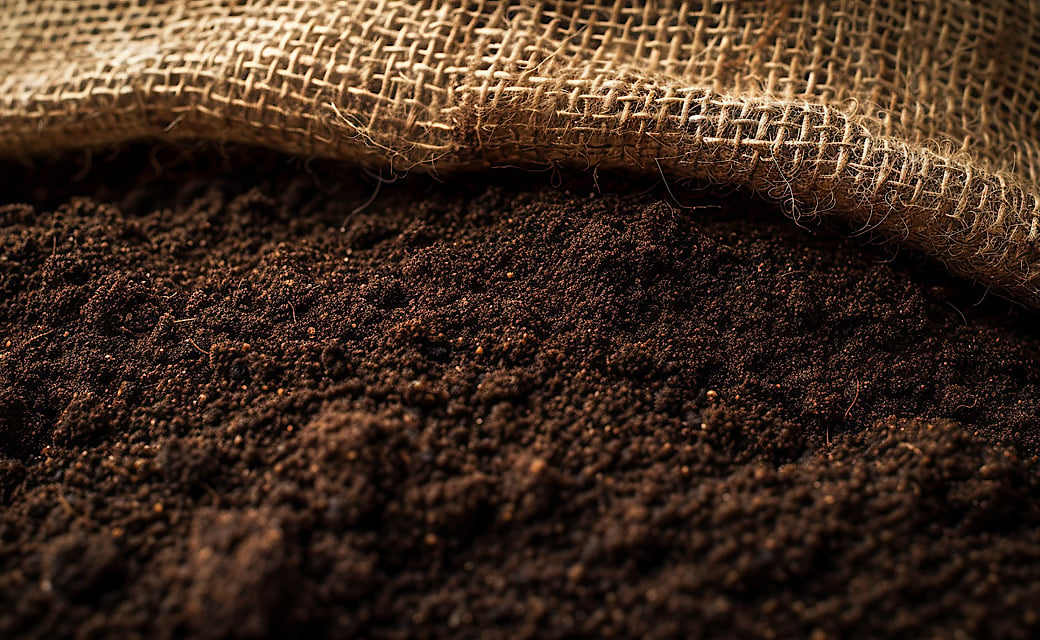
Protect vulnerable plants and newly seeded areas with burlap or frost cloth. This shields them from harsh winds, heavy snow, and temperature fluctuations. For smaller plants, use cloches or plastic covers to create mini-greenhouses that trap heat and moisture.
Maintenance Tips for Winter
Snow Removal
When shoveling snow, avoid piling it onto your lawn, as the weight and moisture can damage the grass. If possible, distribute the snow evenly across the yard or move it to areas with better drainage. Use a snow blower or a shovel with a plastic blade to prevent damaging the grass.
Monitoring for Ice
Keep an eye out for ice buildup on your lawn, especially in shaded areas. Ice can suffocate the grass and lead to fungal growth. Gently break up ice patches with a rake or a shovel to allow air circulation and reduce the risk of disease.
Preparing for Spring
Cleaning Up
As winter ends and temperatures rise, begin cleaning up your lawn. Remove any remaining debris, fallen branches, and dead leaves. Rake the lawn lightly to remove thatch and promote air circulation. This cleanup prepares the lawn for spring growth and prevents the spread of pests and diseases.
Early Spring Care
In early spring, begin a regular lawn care routine that includes mowing, watering, and fertilizing. Aerate and oversee any areas that need repair, and apply pre-emergent herbicides to control weeds. With proper care, your lawn will recover quickly from winter and thrive throughout the growing season.
Preparing your lawn for the cold season involves several essential steps to ensure its health and resilience. By cleaning and inspecting your yard, mowing and edging, aerating and amending the soil, fertilizing and overseeding, watering and winterizing irrigation systems, and protecting the grass from winter damage, you can keep your lawn in top condition year-round. With these tips, your lawn will emerge from winter healthy and ready to grow.