


As winter approaches, homeowners face the challenge of maintaining their landscapes in an eco-friendly manner. Winter months can be particularly harsh on gardens and lawns, but that doesn’t mean sustainable landscaping practices should be neglected. In fact, adopting eco-friendly methods during the colder months can not only preserve the beauty of your outdoor space but also support long-term sustainability goals. In this article, we’ll explore sustainable practices to maintain your landscape during winter, ensuring that it remains healthy while reducing environmental impact.
Protecting Soil Health with Mulching
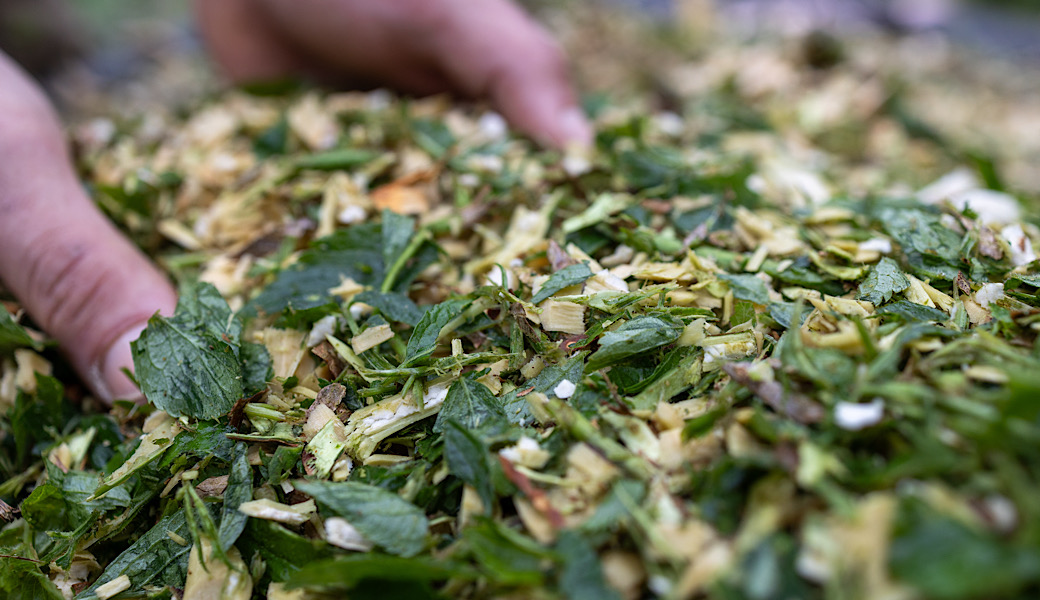
Mulching is one of the most sustainable and effective ways to protect your landscape through the winter months. During the cold season, soil is exposed to freezing temperatures, which can lead to erosion, nutrient loss, and even plant root damage. By adding an organic mulch layer to your garden beds, trees, and shrubs, you create an insulating barrier that stabilizes soil temperature and helps retain moisture.
Benefits of Mulching:
Temperature Regulation: Mulch acts as an insulator, keeping the soil warmer during winter and preventing the freezing of plant roots. This is especially important in areas like Castle Rock, CO, where freezing temperatures can last for extended periods.
Moisture Retention: Mulch helps the soil retain moisture by reducing evaporation. This is critical during winter, as many plants still require water, even if they’re dormant.
Erosion Control: Winter rains and melting snow can erode exposed soil, but a layer of mulch helps reduce surface runoff and keeps the soil in place.
Improved Soil Health: Organic mulches, such as bark chips, leaves, or straw, break down over time and add valuable organic matter to the soil. This improves soil structure and fertility, leading to healthier plants come spring.
Sustainable Mulch Options:
Shredded Leaves: Instead of sending fall leaves to the landfill, shred them and use them as mulch. Leaf mulch is an excellent, free resource that enriches the soil as it decomposes.
Wood Chips or Bark: These materials are long-lasting and provide excellent insulation for plant roots. You can often source wood chips locally from tree removal companies or municipal services.
Straw or Hay: These organic materials are easily accessible and can be spread over garden beds to protect plants during the winter.
By using natural, biodegradable materials for mulching, you support the environment while maintaining your landscape’s health through the colder months.
Conserving Water with Efficient Irrigation
While it might seem counterintuitive to think about watering in winter, many regions still require supplemental irrigation, especially during dry spells or when snow cover is inconsistent. However, it’s important to practice water conservation, even during the winter, to minimize waste and support sustainable landscaping goals.
Sustainable Watering Tips:
Water Early in the Day: Watering in the morning allows moisture to be absorbed before the coldest part of the day sets in. This reduces the risk of water freezing on plant surfaces, which can cause damage.
Use Drip Irrigation: Drip irrigation systems are more efficient than overhead sprinklers because they deliver water directly to the roots, minimizing water loss through evaporation or runoff. This method ensures that plants get the moisture they need without wasting water.
Monitor Rainfall and Snowmelt: Keep track of natural precipitation levels and adjust your irrigation schedule accordingly. If there’s sufficient snow or rain, you can reduce or eliminate supplemental watering to conserve resources.
By using efficient irrigation systems and monitoring natural moisture levels, you can minimize water usage and reduce your landscape’s environmental impact during the winter months.
Winterizing Your Garden to Promote Sustainability
Winterizing your garden involves taking steps to protect plants, minimize waste, and prepare the landscape for the colder months ahead. Sustainable winterization practices not only help your garden survive the winter but also reduce your environmental footprint.

Key Winterization Practices:
Cut Back Selectively: Pruning is an essential part of winter garden maintenance, but it should be done selectively. Remove dead or diseased branches to improve plant health, but avoid heavy pruning that could stimulate new growth, which may be vulnerable to frost damage.
Compost Garden Debris: Rather than disposing of fallen leaves, grass clippings, or pruned branches, compost these materials to create nutrient-rich soil for the next growing season. Composting reduces the amount of organic waste sent to landfills and provides a sustainable source of fertilizer for your garden.
Cover Crops: Consider planting cover crops in garden beds that won’t be used during the winter. Cover crops, such as clover, rye, or winter wheat, help prevent soil erosion, improve soil fertility, and suppress weeds. When spring arrives, these crops can be tilled back into the soil as green manure.
Benefits of Sustainable Winterization:
Reduced Waste: Composting and mulching with organic materials help reduce the amount of yard waste that ends up in landfills. This contributes to a more sustainable, closed-loop system where waste materials are returned to the soil.
Healthier Plants: By taking steps to winterize your garden sustainably, you’re setting your plants up for success when the growing season returns. Healthier plants are more resilient to pests, diseases, and extreme weather conditions.
Soil Protection: Cover crops and mulch both protect soil from erosion and improve its quality, leading to better plant growth and reduced reliance on chemical fertilizers.
Winterizing your garden in a sustainable way not only preserves your landscape but also supports the long-term health of your plants and the environment.
Eco-Friendly Snow and Ice Management
Managing snow and ice is a crucial aspect of winter landscape maintenance, particularly in areas like Castle Rock, CO, where winter storms are common. However, traditional methods of snow and ice removal—such as the use of salt and chemical de-icers—can be harmful to the environment. These products can damage plants, pollute waterways, and degrade hardscape surfaces.
Sustainable Snow and Ice Management Practices:
Use Eco-Friendly De-Icers: Traditional rock salt (sodium chloride) is harmful to plants, soil, and water sources. Instead, opt for eco-friendly de-icing products made from calcium magnesium acetate or potassium chloride, which are less toxic and safer for your landscape.
Sand or Grit for Traction: In areas where de-icing isn’t necessary, use sand or grit to improve traction on walkways and driveways. These materials don’t harm the environment and can be swept up and reused later.
Shovel Regularly: The more you shovel snow before it has a chance to melt and refreeze, the less you’ll need to rely on de-icing products. Regular snow removal also reduces the likelihood of ice formation on hardscapes, protecting both the environment and your hardscape materials.
Protect Plants with Barriers: If you’re using any de-icing products, protect nearby plants by installing physical barriers like burlap or snow fencing. This helps prevent runoff from damaging sensitive plant roots and foliage.
By minimizing the use of harmful de-icers and opting for sustainable snow management methods, you can keep your outdoor spaces safe while reducing environmental harm.
Supporting Local Wildlife During Winter
A sustainable landscape not only benefits the plants and soil but also supports local wildlife, even during the colder months. Winter is a challenging time for many birds, insects, and small mammals, as food sources become scarce and habitats are disrupted by cold weather. By incorporating wildlife-friendly practices into your winter landscaping, you can create a sustainable and thriving ecosystem.
Ways to Support Wildlife in Winter:
Leave Seed Heads and Berries: Many plants produce seed heads and berries that provide a valuable food source for birds and small animals during the winter. Consider leaving these natural food sources intact rather than cutting them back in the fall.
Provide Shelter: Fallen leaves, brush piles, and evergreen trees offer shelter and protection for small animals and insects. Leaving some natural debris in place during the winter can create a habitat for wildlife to take refuge from the cold.
Install Bird Feeders and Water Sources: Help local bird populations survive the winter by installing bird feeders filled with high-energy seeds like sunflower or suet. Additionally, heated bird baths can provide a crucial water source when natural water bodies freeze over.
Environmental Benefits of Supporting Wildlife:
Biodiversity: Encouraging a diverse range of wildlife in your yard promotes biodiversity, which strengthens the overall ecosystem and helps control pests naturally.
Pollination and Pest Control: Many birds and insects that overwinter in your landscape will return to assist with pollination and pest control in the spring, reducing the need for chemical interventions.
By adopting wildlife-friendly practices, you not only contribute to the health of local ecosystems but also enjoy the benefits of a more vibrant and biodiverse garden come springtime.
Maintaining a sustainable landscape during the winter months is key to promoting the long-term health of your yard while minimizing environmental impact. By incorporating eco-friendly practices like mulching, water conservation, composting, and wildlife support, you can ensure that your landscape stays healthy and resilient through the cold season. Furthermore, by choosing sustainable snow management methods and preparing your garden for winter with minimal waste, you are contributing to a greener, healthier environment. Sustainable winter landscaping practices not only benefit your yard but also support the larger ecosystem, making them a responsible choice for homeowners in Castle Rock, CO, and beyond.
For expert guidance on sustainable winter landscaping practices, contact Rocky Mountain Precision Services. We specialize in eco-friendly yard care solutions that will help your landscape thrive, even in the harshest conditions.