


Starting from scratch with a new construction home offers a rare opportunity to shape your outdoor environment exactly how you want it. In Castle Rock, Colorado, where elevation, climate, and soil conditions present unique challenges, approaching landscaping with a thoughtful, step-by-step strategy is essential. Whether you’re planning to live in your new home for decades or preparing it for resale, proper landscaping can dramatically improve curb appeal, functionality, and long-term property value.
Prepare the Groundwork: Grading, Soil, and Drainage Come First
One of the most overlooked phases in new home landscaping is site preparation. Many new builds leave behind compacted, rocky soil with little organic material, making it difficult for plants to establish healthy root systems. Before choosing trees or designing pathways, it’s essential to assess the health of the soil and correct any grading issues.
Grading ensures water flows away from your foundation to prevent basement leaks, erosion, and standing water. This is especially critical in Castle Rock, where rapid snowmelt and seasonal rain can lead to drainage complications. Homeowners may need to bring in topsoil, contour the land to promote runoff, or install French drains and dry creek beds as preventive measures. Additionally, amending the soil with compost, organic matter, and possibly sand will enhance aeration and fertility, setting a healthy foundation for all future plantings.
Key first steps to prepare your lot:
- Check for low spots where water collects and adjust the grading
- Remove leftover construction debris or rocks
- Test your soil’s composition and pH
- Add compost or topsoil to encourage root health
Designing the Landscape: Structure Before Style
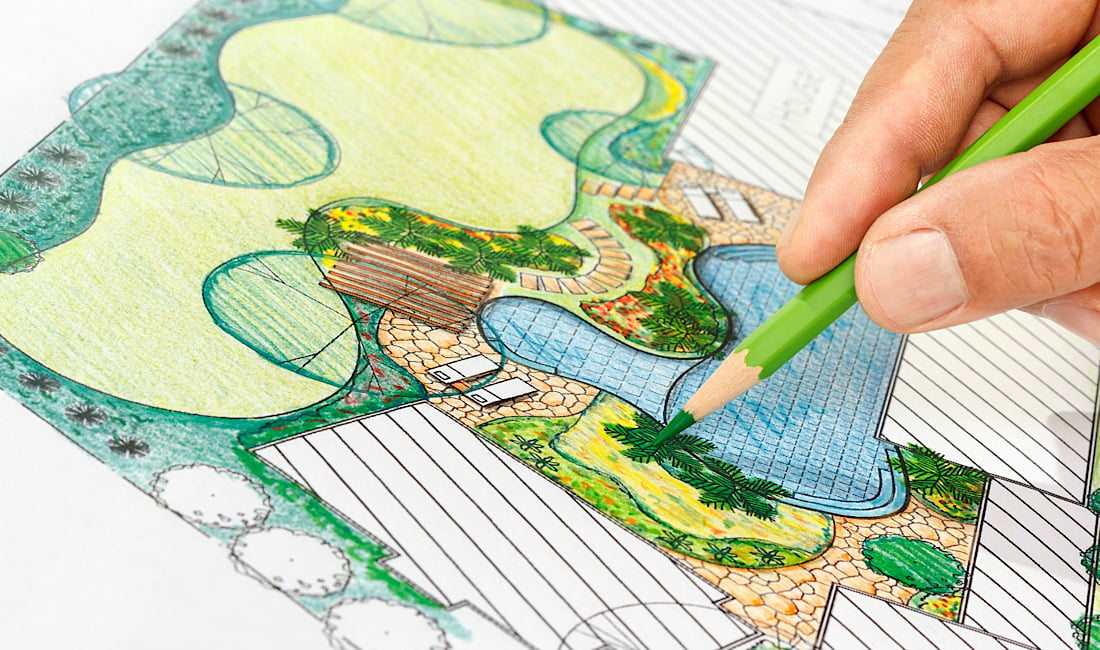
Once the ground is properly prepared, it’s time to develop a layout that balances visual appeal with practical function. Designing in layers—from tall canopy trees down to groundcovers—creates a more natural, visually pleasing environment while improving soil stability and biodiversity.
Begin with key focal points like trees, which not only provide structure but also offer shade and wind protection. In Castle Rock, native or drought-tolerant varieties like ponderosa pine, hackberry, or serviceberry thrive with less water and minimal maintenance. From there, introduce mid-sized shrubs and perennials that can fill in the landscape throughout the seasons. Selecting plants with varied bloom times ensures the yard remains colorful and lively year-round.
Considerations for layered design:
- Tall trees create privacy and frame your home
- Shrubs add color, texture, and depth
- Groundcovers reduce maintenance and control erosion
- Group plants by sunlight and water needs
Smart Strategies for Foundation Planting
Landscaping around the base of a new home offers both aesthetic and practical benefits. Foundation plantings should soften the architectural lines of the house without crowding the structure or encouraging moisture accumulation. This means spacing is critical—shrubs and ornamental plants should be positioned far enough from the exterior walls to allow air circulation and maintenance access.
It’s also wise to choose plant varieties that remain compact and grow slowly. Overgrown plants too close to the foundation can trap moisture, attract pests, and require constant trimming. Evergreen shrubs like dwarf boxwoods, slow-growing junipers, or native grasses add greenery year-round without requiring constant upkeep. Mixing in seasonal perennials like echinacea or black-eyed Susan can introduce bursts of color while remaining low-maintenance.
Tips for successful foundation planting:
- Maintain a gap of at least 18–24 inches from the foundation
- Mix evergreen and flowering plants for seasonal interest
- Use curved bed shapes to soften architectural lines
Planning Outdoor Living Spaces with Purpose
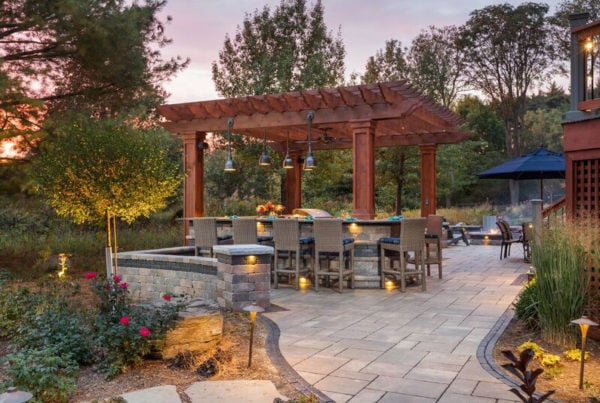
With a blank canvas, homeowners can integrate functional outdoor spaces into the landscape right from the start. Establishing patios, walkways, and gathering areas early ensures that plantings won’t need to be disturbed or relocated later. The choice of hardscaping materials—stone, concrete, pavers, or gravel—should reflect the home’s exterior aesthetic and be suited to Castle Rock’s seasonal temperature swings.
It’s also important to consider the orientation of the home and how outdoor spaces will be used throughout the day. For example, placing a patio on the west side may offer beautiful sunset views but require shade features like pergolas or trees to keep it cool. Outdoor kitchens, fire pits, and dining areas should be connected to utility lines or irrigation systems early in the process to reduce the need for disruptive construction after planting.
Smart early investments include:
- Installing irrigation lines before planting
- Choosing materials that match the home’s style
- Adding low-voltage lighting to extend usability
- Planning for shaded areas and privacy features
Choose Native and Low-Water Plants for Castle Rock’s Climate
Castle Rock’s semi-arid environment demands water-wise landscaping choices. With only around 18 inches of annual precipitation and periodic drought restrictions, selecting native or drought-tolerant plants is not only environmentally responsible but financially wise. These plants are naturally adapted to Colorado’s climate and often require less fertilizer, fewer pesticides, and significantly less water.
Great native selections include blue grama and buffalo grass for turf alternatives, along with flowering perennials like yarrow, blanket flower, and penstemon. These species provide color, attract pollinators, and thrive with minimal intervention. For shrubs, consider rabbitbrush, mountain mahogany, and serviceberry—all rugged and resilient choices.
Why native plants make sense in Castle Rock:
- Lower water and maintenance needs
- Greater resistance to local pests and soil conditions
- Support for local pollinators and biodiversity
Integrating a drip irrigation system helps deliver water directly to plant roots, reducing evaporation and ensuring consistent hydration. Mulching also aids in water retention, reducing both waste and cost. With the rising emphasis on sustainable landscaping, many Castle Rock neighborhoods are now encouraging, and in some cases incentivizing, xeriscaping techniques that support native biodiversity and reduce dependence on municipal water.
Wondering What to Expect When Landscaping Your New Home?
How soon should landscaping begin?
It’s ideal to wait until construction is complete and the ground has settled, usually a few weeks to a couple of months. However, the design and planning phase can start as soon as the blueprint is available.
Should I install grass or go with seed?
For instant curb appeal, sod is a great choice, especially in front yards. Seeding is more economical but takes time and effort to establish. Many Castle Rock homeowners use a combination of both based on location and budget.
What is the cost range for landscaping a new build?
Costs vary widely depending on the size of the lot and the complexity of the design. Basic soil prep and turf installation might start around $5,000, while full-service landscaping with irrigation, hardscaping, and planting could range from $15,000 to $50,000 or more.
Can professional landscaping improve home value?
Yes. According to the National Association of Realtors, high-quality landscaping can boost property value by up to 12%. In new developments, it also helps your home stand out from neighboring properties with minimal landscaping.
Build Your Outdoor Vision with RMPS Landscaping
Starting fresh with a newly constructed home is exciting—but turning a bare lot into a welcoming outdoor retreat requires expert guidance and regional know-how. That’s where RMPS Landscaping comes in. As Castle Rock’s trusted landscaping partner, RMPS has transformed countless empty yards into vibrant, functional spaces tailored to Colorado’s climate and lifestyle.
Whether you’re envisioning colorful garden beds, a natural stone patio, or a complete design-build project, RMPS Landscaping brings experience, attention to detail, and reliable service to every step. Contact RMPS today at (720) 740-1887 or visit online to begin your Castle Rock landscaping transformation.