


Create a Vibrant, Water-Wise Oasis That Supports Colorado’s Unique Ecosystem
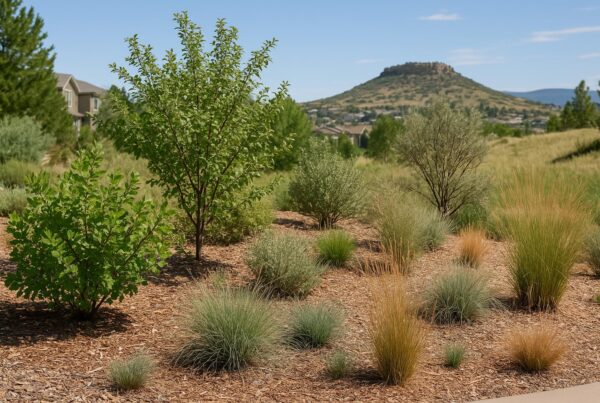
Living in Castle Rock means embracing the rugged beauty of the Colorado Front Range. We value stunning landscapes, sunny days, and a strong connection to nature. Yet, gardening at 6,000 feet in our semi-arid climate presents a unique set of challenges—from intense sun and alkaline soils to the constant need for water conservation. Fortunately, there’s a landscaping approach that transforms these challenges into an opportunity: xeriscaping. Far from being a barren collection of rocks, a well-designed xeriscape is a lush, colorful, and thriving garden that saves water, reduces maintenance, and creates a critical habitat for our local pollinators.
What is Xeriscaping, and Why is it Perfect for Castle Rock?
The term “xeriscape,” first coined in Colorado, is a smart and sustainable approach to landscaping designed for dry climates. It’s not about “zero-scaping” but about creating a beautiful, low-water-use garden that works with our environment, not against it. This method is built on seven core principles that lead to a resilient and beautiful outdoor space:
- Thoughtful Planning & Design: Mapping your yard’s sun, shade, and water zones.
- Soil Improvement: Amending our dense clay or sandy soils to improve water retention and plant health.
- Efficient Irrigation: Using methods like drip irrigation that deliver water directly to the plant’s roots.
- Appropriate Plant Selection: Choosing native and drought-tolerant plants that are adapted to our elevation and climate.
- Practical Turf Areas: Limiting high-water grass to functional spaces and using native grass alternatives elsewhere.
- Use of Mulch: Applying mulch to retain soil moisture, cool roots, and suppress weeds.
- Proper Maintenance: Xeriscapes are low-maintenance, not no-maintenance, requiring seasonal care to thrive.
For homeowners in Castle Rock, adopting these principles means a landscape that can withstand hot summers and cold winters while conserving one of our most precious resources. A well-planned xeriscape can reduce outdoor water usage by up to 60% or more compared to a traditional lawn.
The Pollinator Connection: More Than Just a Pretty Garden
Beyond the water savings, a xeriscape filled with native plants provides a powerful ecological benefit. It becomes a sanctuary for pollinators like native bees, butterflies, and hummingbirds. These essential creatures are responsible for pollinating a vast number of plants, including many that produce our food. By choosing specific plants that offer nectar and pollen throughout the seasons, your garden becomes a vital food source, supporting biodiversity right in your own backyard.
Plant All-Stars: Building Your Colorado Pollinator Paradise
Choosing the right plants is the most exciting part of creating a pollinator-friendly xeriscape. The key is to select species native to the Rocky Mountain region or adapted to our high-altitude, dry conditions. Here are some proven performers for Castle Rock landscapes:
| Plant Name | Type | Attracts | Notes |
|---|---|---|---|
| Rocky Mountain Penstemon (Penstemon strictus) | Perennial | Bees, Hummingbirds | Vibrant purple-blue spires in spring. Extremely drought-tolerant. |
| Blanket Flower (Gaillardia aristata) | Perennial | Butterflies, Bees | Long-blooming red and yellow flowers. Thrives in full sun. |
| Hyssop (Agastache) | Perennial | Hummingbirds, Bees | Fragrant foliage with sunset-hued flowers in late summer. |
| Purple Coneflower (Echinacea purpurea) | Perennial | Butterflies, Bees | Hardy, iconic daisy-like blooms provide summer color. |
| Yarrow (Achillea millefolium) | Perennial | Butterflies, Beneficial Insects | Feathery foliage with flat flower clusters. Exceptionally tough. |
| Rabbitbrush (Ericameria nauseosa) | Shrub | Bees, Butterflies | Provides crucial late-season nectar with bright golden flowers. |
Did You Know?
Colorado is home to over 950 species of native bees! Many of these are solitary ground-nesters. By leaving some patches of bare, un-mulched earth in your garden, you provide them with essential habitat to raise their young.
5 Steps to Designing Your Pollinator-Friendly Xeriscape
Ready to get started? Here’s a simple framework for planning your project.
- Observe and Plan: Take time to understand your property. Note which areas get full sun, partial shade, and how water moves across the land. A simple sketch can help visualize where different plant zones (hydrozones) would go.
- Prepare Your Soil: Most Castle Rock soils are heavy clay. Amending the top 6-8 inches with quality compost or organic matter improves drainage and gives plant roots a healthy start.
- Plant in Groups: To help pollinators find their targets easily, plant flowers in clusters of three, five, or more of the same species. This creates a bold visual impact and a more efficient food source for visiting insects.
- Provide a Water Source: Pollinators get thirsty, too! A shallow dish or birdbath filled with pebbles or marbles and a small amount of water provides a safe place for bees and butterflies to drink without drowning.
- Think in Layers and Seasons: A successful pollinator garden offers continuous blooms from early spring to late fall. Mix early bloomers, mid-summer showstoppers, and late-season nectar sources. Incorporate shrubs and grasses for height, texture, and winter habitat.
Your Local Landscaping Partner in Castle Rock
Creating a thriving, sustainable xeriscape requires local knowledge. Understanding Castle Rock’s specific soil composition, microclimates, and the best plant varieties for our elevation is key to long-term success. At Rocky Mountain Precision Services, we specialize in designing and installing beautiful, water-wise landscapes that are perfectly tailored to our Colorado environment. From expert hardscaping and stonework to installing efficient irrigation systems, our team has the expertise to bring your vision for a beautiful, eco-friendly outdoor space to life.
Ready to Create Your Sustainable Outdoor Sanctuary?
Stop battling your landscape and start enjoying it. Let’s design a beautiful, water-wise garden that saves you time and money while supporting our local ecosystem.
Frequently Asked Questions
Q: Will my yard look barren or just like a desert?
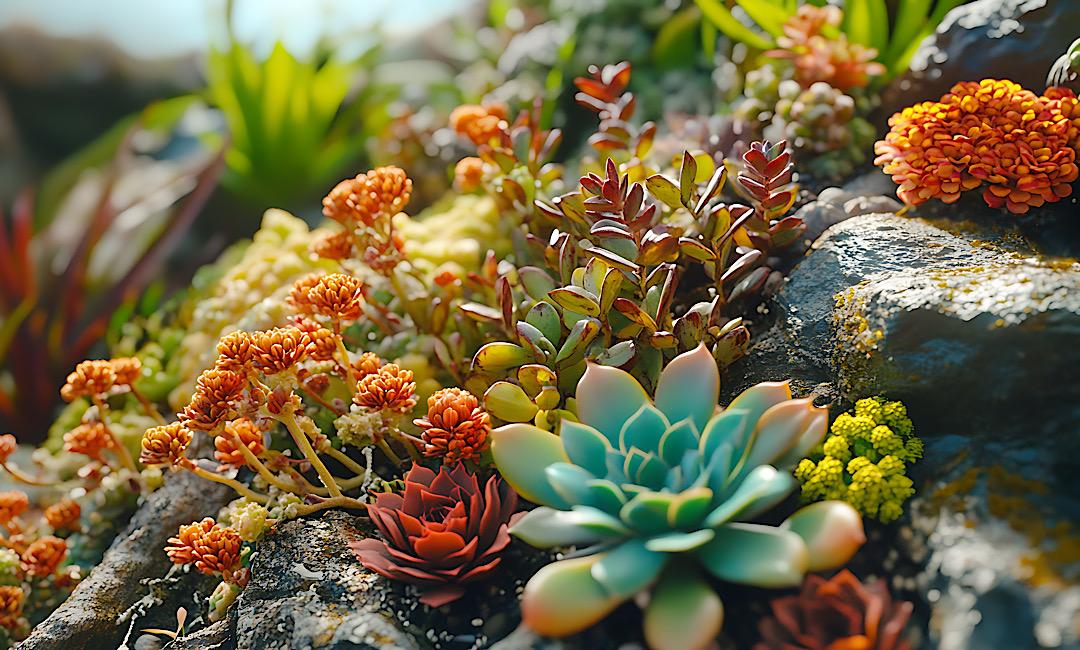
A: Absolutely not. This is a common misconception. A thoughtfully designed xeriscape is full of color, texture, and life from a diverse array of flowers, succulents, ornamental grasses, and shrubs. The goal is to create a visually appealing landscape, not a desert replica.
Q: How much maintenance does a xeriscape garden really require?
A: Xeriscapes are significantly lower maintenance than traditional lawns. Once established, the primary tasks are occasional deep watering during prolonged dry spells, weeding (greatly reduced by mulch), and seasonal cutbacks of perennials and grasses. Say goodbye to weekly mowing!
Q: Is xeriscaping expensive to install?
A: The initial investment can vary depending on the complexity of the design, hardscaping elements, and plant maturity. However, the long-term savings on water bills, fertilizer, and maintenance often make it a cost-effective choice that adds significant value to your property.
Q: When is the best time to start a xeriscape project in Castle Rock?
A: Spring and fall are ideal times for planting in Colorado. The milder temperatures reduce stress on new plants, allowing them to establish strong root systems before the heat of summer or the cold of winter. However, the planning and design phase can happen any time of year.