



Create a Sustainable, Water-Wise Oasis at 6,000 Feet
Living in Castle Rock, Colorado, means embracing the rugged beauty of the Front Range—from stunning vistas to the crisp mountain air. It also means landscaping at a high elevation in a semi-arid climate, which presents a unique set of challenges. Hot summers, cold winters, intense sun, and clay-heavy soils can test even the most experienced gardener. But creating a beautiful, resilient, and environmentally conscious landscape is not just possible; it’s a rewarding investment in your home and our local ecosystem. This guide will walk you through the core principles of sustainable Colorado landscape design, helping you create an outdoor space that thrives in our unique environment.
Key Principles of a Thriving Castle Rock Landscape
A successful landscape in our region is one that works with nature, not against it. By embracing water conservation and smart plant choices, you can design a yard that is both beautiful and low-maintenance. This approach is often called “xeriscaping,” a term first coined by Denver Water that focuses on creating stunning landscapes with minimal water use.
1. Champion Water Conservation
Water is our most precious resource on the Front Range. Outdoor irrigation accounts for a significant portion of residential water use. A water-wise landscape can reduce consumption by up to 60% compared to a traditional turf lawn. This involves limiting turf areas, installing efficient irrigation like drip systems, and grouping plants with similar water needs together. It’s a strategy that saves money and aligns with local conservation efforts.
2. Embrace Native & Adapted Plants
Plants native to Colorado have spent thousands of years adapting to our specific climate, soil, and elevation. They are naturally drought-tolerant, disease-resistant, and require far less maintenance once established. Incorporating native flowers, shrubs, and grasses not only ensures a resilient garden but also provides vital food and habitat for local pollinators like bees and butterflies.
3. Improve Your Soil Health
The soil around Castle Rock is often heavy clay, which can be alkaline and compact easily, hindering root growth and water absorption. Improving your soil is one of the most effective steps you can take. Amending the soil with quality organic compost enhances its structure, improves drainage, and increases its ability to hold moisture. Healthy soil is the literal foundation of a healthy landscape.
Planning Your High-Altitude Landscape: A Step-by-Step Guide
A thoughtful plan is the difference between a garden that struggles and one that flourishes. Follow these steps to lay the groundwork for a successful and sustainable outdoor space.
Step 1: Assess Your Property
Before you plant anything, take time to understand your yard’s unique characteristics. Map out areas of full sun, partial shade, and deep shade throughout the day. Identify slopes where water might run off quickly. Note areas exposed to strong winds. Understanding these “microclimates” will help you place plants where they are most likely to succeed.
Step 2: Define Your Goals and Zones
How do you want to use your outdoor space? Consider creating functional zones. You might want a patio area for entertaining, a small, durable lawn space for pets or children, and garden beds filled with colorful, low-water perennials. Grouping plants with similar light and water needs into these zones makes maintenance and irrigation far more efficient.
Step 3: Choose the Right Plants
This is the most exciting part! Select a palette of native and adapted plants that will thrive in Castle Rock. Opt for variety in height, texture, and bloom time to ensure year-round visual interest. A professional landscape designer can help you choose the perfect combination for your property’s specific conditions.
Plant Recommendations for Castle Rock (6,000 ft.):
- Perennials: Rocky Mountain Penstemon, Blanket Flower (Gaillardia), Black-Eyed Susan, and Purple Coneflower are vibrant, drought-tolerant choices that attract pollinators.
- Shrubs: Three-Leaf Sumac, Rabbitbrush, and Serviceberry are hardy natives that provide structure and seasonal color.
- Grasses: Little Bluestem and Blue Grama Grass add texture and movement while requiring very little water.
- Trees: Ponderosa Pine and Bur Oak are well-suited to our climate and provide essential shade and habitat.
Step 4: Implement Smart Irrigation & Mulch
Efficient watering is crucial. Drip irrigation and soaker hoses deliver water directly to the plant’s roots, minimizing evaporation. If you have a sprinkler system, ensure it’s programmed correctly for Castle Rock’s watering schedule, which restricts watering to before 8 a.m. or after 8 p.m. to reduce waste. Applying a 2-3 inch layer of wood mulch helps retain soil moisture, suppress weeds, and regulate soil temperature.
Did You Know?
The Town of Castle Rock has specific guidelines for landscaping in new developments, known as “ColoradoScape.” These rules prohibit turf in front yards and limit it in backyards, requiring the use of low-water plants and materials. This forward-thinking approach underscores the community’s commitment to water conservation and creating landscapes that reflect our natural environment.
The RMPS Advantage in Castle Rock
Navigating local soil conditions, elevation challenges, and plant selection can feel overwhelming. That’s where professional expertise makes all the difference. At Rocky Mountain Precision Services, we specialize in designing and building beautiful, sustainable landscapes that are perfectly tailored to the Castle Rock environment. We understand the local ecosystem and how to create outdoor spaces that are both stunning and sustainable. From designing intricate hardscapes like patios and retaining walls to installing efficient irrigation systems and selecting the ideal plant palette, we manage every detail to bring your vision to life.
Ready to Transform Your Outdoor Space?
Let’s create a landscape that you will love for years to come—one that saves water, reduces maintenance, and enhances the natural beauty of your Castle Rock home. Contact the experts at Rocky Mountain Precision Services today for a consultation.
Frequently Asked Questions
What exactly is xeriscaping?
Xeriscaping is a method of landscaping designed to conserve water. It involves using drought-tolerant native and adapted plants, efficient irrigation methods, and reducing turf grass areas. It is not “zero-scaping” — a well-designed xeriscape is vibrant, colorful, and full of life.
What are the best low-water plants for Castle Rock?
Some of the best choices include perennials like Rocky Mountain Penstemon and Blanket Flower, shrubs like Rabbitbrush and Three-Leaf Sumac, and ornamental grasses. These plants are adapted to our dry climate and high altitude.
Can I still have a lawn in a water-wise landscape?
Absolutely. The key is to treat lawn as a functional design element rather than a default ground cover. Consider a smaller, more manageable lawn area using drought-tolerant turf varieties for play or pets, and surround it with beautiful, low-water garden beds.
How does hardscaping help save water?
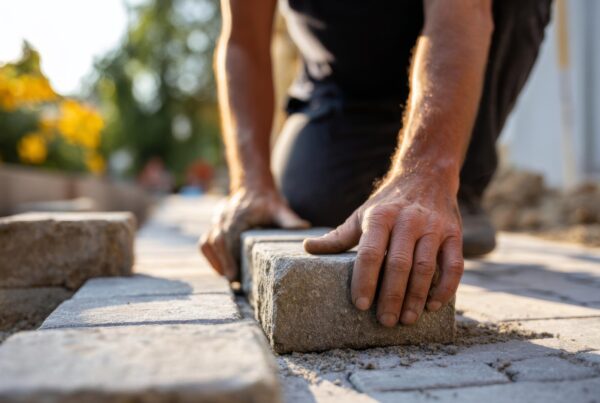
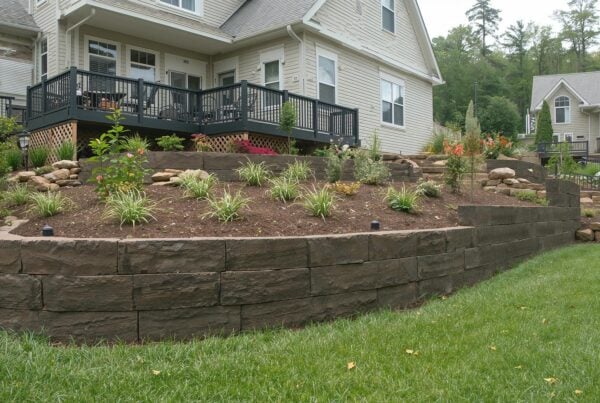
Hardscaping elements like patios, walkways, and retaining walls create beautiful and functional outdoor living areas without requiring any water. By replacing portions of a high-water-use lawn with hardscape features, you naturally reduce your overall landscape water needs.
How much maintenance does a xeriscape yard require?
Once established, a xeriscape garden typically requires less maintenance than a traditional lawn. You’ll spend less time mowing, fertilizing, and watering. Maintenance usually involves seasonal pruning, weeding, and checking your irrigation system.
Glossary of Terms
Xeriscaping: A landscaping philosophy that uses water-efficient design, drought-tolerant plants, and smart irrigation to minimize the need for supplemental watering.
Native Plants: Plants that have evolved naturally in a specific region (like the Colorado Front Range) and are adapted to the local climate, soil, and environmental conditions.
Hardscaping: The non-living elements of a landscape, such as patios, retaining walls, walkways, and stone features, that provide structure and function.
Drip Irrigation: A low-pressure, high-efficiency watering system that delivers water slowly and directly to the roots of plants, reducing evaporation and runoff.
Soil Amendment: Any material, like organic compost, added to soil to improve its physical properties, such as water retention, permeability, and aeration.
Microclimate: The specific climatic conditions (sun exposure, wind, moisture) of a small, localized area within a larger climate zone, such as a particular corner of your yard.