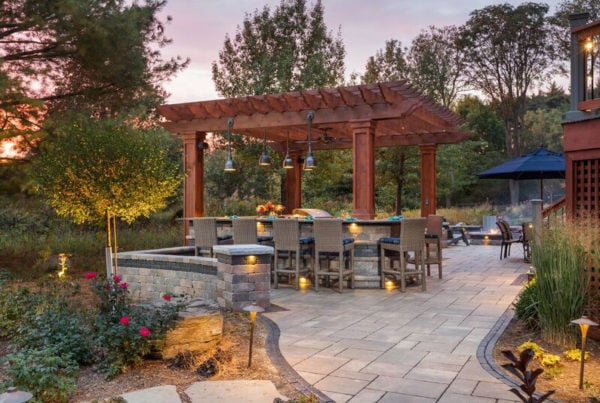



Landscaping in winter may not seem like a high priority, but for residents of Castle Rock, CO, it provides a unique opportunity to enhance the beauty of your property while benefiting the environment. One of the most effective ways to create a visually appealing and sustainable landscape is by incorporating native plants into your winter gardening plans. Native plants are adapted to the local climate and soil, making them particularly resilient and well-suited for colder months. This article explores the top benefits of using native plants during the winter season, emphasizing the environmental, aesthetic, and practical advantages of these choices for your Castle Rock home.
Adaptability to Cold Weather
The most obvious benefit of using native plants in a winter landscape is their adaptability to the region’s cold weather. Native species have evolved over centuries to thrive in the specific conditions present in Castle Rock, including cold winters and fluctuating temperatures.
Cold-Season Resilience
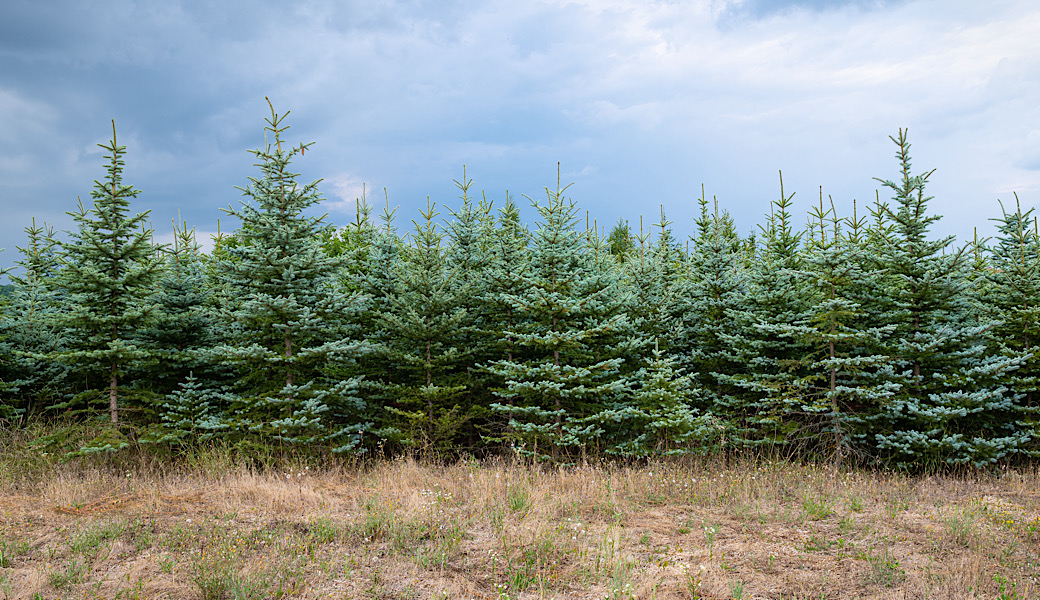
Native plants such as Rocky Mountain Juniper and Colorado Blue Spruce are known for their hardiness in winter. These plants are highly resistant to frost and freezing temperatures, a critical feature given Castle Rock’s average winter lows of 18°F. This resilience means that they will continue to add texture, color, and structure to your landscape when many non-native plants would wither or die. In fact, using these plants reduces the need for constant replanting after the cold season ends.
Less Maintenance
Because native plants are adapted to local conditions, they typically require less maintenance than exotic species. Native plants are accustomed to the specific light, water, and nutrient levels available in Castle Rock’s soil. This means they are generally drought-resistant, even during the drier winter months, and can survive with minimal watering. These factors significantly lower your garden maintenance efforts, giving you more time to enjoy your landscape.
Enhanced Biodiversity
One of the main ecological advantages of using native plants is that they promote biodiversity. The natural ecosystems in Castle Rock, CO, are well-suited to native plant species, which in turn support a wide variety of local wildlife.
Support for Local Wildlife
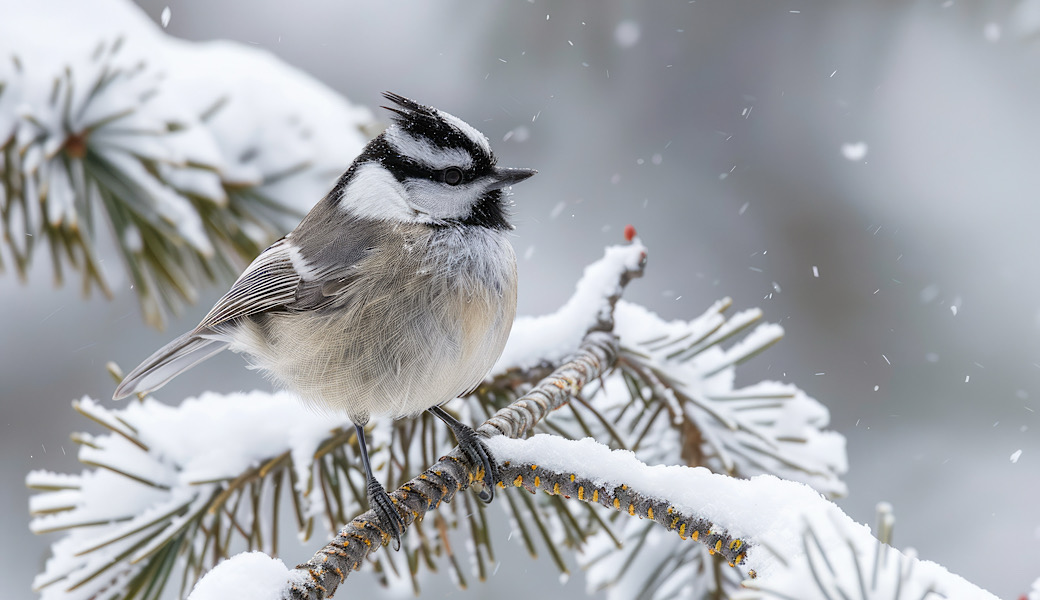
Native plants such as Mountain Mahogany or Rabbitbrush provide essential habitats and food sources for birds, insects, and small mammals during the colder months. In particular, evergreen plants offer shelter and sustenance for local wildlife, including Colorado’s native bird species like the American Robin and Mountain Chickadee. By planting these species, you are helping to maintain the ecological balance and offering a sanctuary for wildlife that would otherwise struggle to survive in urban landscapes during winter.
Pollination in Early Spring
Many native plants in Castle Rock are early bloomers, offering the added benefit of early spring pollination. Species such as Oregon Grape Holly produce flowers as early as March, providing nectar for pollinators like bees and butterflies as soon as temperatures start to rise. This supports the health of local ecosystems and ensures a thriving garden come spring.
Water Efficiency and Soil Health
Castle Rock is located in a semi-arid region, making water conservation a crucial consideration for any landscape plan. Native plants offer a water-efficient solution that can save homeowners money on irrigation while also preserving valuable resources.
Drought Tolerance
Many native species, such as Ponderosa Pine and Blue Grama Grass, are naturally drought-tolerant, meaning they require less water than non-native species, even during dry winters. These plants have deep root systems that allow them to tap into groundwater reserves, making them highly efficient at conserving moisture. This is especially beneficial in Castle Rock, where winter precipitation can be limited, averaging just 0.68 inches of rainfall per month.
Erosion Control
The deep root systems of native plants also play a vital role in maintaining soil health by preventing erosion. Winter storms can lead to soil degradation and loss, particularly on sloped properties common in Castle Rock’s hilly terrain. Native ground covers like Wild Strawberry and Western Yarrow help to stabilize the soil, reducing the risk of erosion and ensuring that your garden remains healthy and intact throughout the winter.
Aesthetic Appeal and Year-Round Beauty
One of the main concerns homeowners have about winter landscapes is the lack of color and visual interest. However, using native plants can bring a surprising amount of aesthetic beauty to your garden, even during the colder months.
Winter Color and Texture
While many plants lose their vibrancy in winter, native plants can provide bursts of color and unique textures that keep your landscape looking appealing. For example, the Red Twig Dogwood adds striking red branches to an otherwise muted winter palette, while Apache Plume offers silver foliage and fluffy seed heads that catch the light and bring a soft, elegant texture to your garden. Evergreen trees such as the Limber Pine maintain their rich green hues all year, adding depth and visual interest to your outdoor spaces.
Long-Term Investment
Incorporating native plants into your winter landscape is a long-term investment that offers both immediate and future rewards. Unlike annuals that need to be replanted each year, native perennials will return season after season, reducing the need for ongoing landscape renovations. Over time, this can save you money while also ensuring that your garden continues to thrive with minimal upkeep.
Making the Most of Native Winter Plants
To maximize the benefits of using native plants in your winter landscape, it is essential to consider the specific microclimates within your property and the types of plants best suited to each area. For example, southern-facing slopes may be more exposed to sunlight, while shaded areas may experience more prolonged frost. Understanding these factors will help you select the right plants for your space.
Practical Tips for Winter Landscaping with Native Plants:
Choose plants that offer winter interest, such as evergreens and species with colorful bark or foliage.
Group plants with similar water and sunlight needs together to ensure optimal growth and reduce maintenance.
Consider adding mulch to protect roots from freezing temperatures and retain moisture in the soil.
By incorporating these practical considerations into your landscape design, you can create a sustainable, low-maintenance garden that not only enhances your home’s curb appeal but also supports local ecosystems throughout the year.
As you plan your winter landscape in Castle Rock, consider the many advantages of using native plants. From their adaptability to cold weather and their role in promoting biodiversity to their water efficiency and year-round beauty, native plants are an ideal choice for creating a sustainable and visually appealing outdoor space.
Contact Rocky Mountain Precision Services today to explore our professional landscaping services and discover how we can help you transform your winter garden using the best native plants Colorado has to offer.