



When the winter season rolls in, many landscapes become drab and colorless. However, with the right selection of cold-hardy plants, you can maintain visual interest and vibrant life in your garden throughout the colder months. Rocky Mountain Precision Services, serving the Castle Rock, CO area, offers expert guidance in choosing plants that thrive during winter, ensuring your garden is visually appealing year-round. In this article, we explore plants that add texture, color, and beauty to winter landscapes, focusing on the best options for seasonal garden interest.
Evergreen Trees and Shrubs
Evergreens are an essential component of any garden seeking year-round beauty. Their vibrant green foliage persists through the coldest months, adding life to an otherwise barren landscape. For Castle Rock, CO, where winters can be harsh, choosing the right evergreens is critical. These plants are especially suited for Colorado’s climate, as they resist cold temperatures and maintain their aesthetic appeal even during heavy snowfall.
Popular evergreen choices include:
Colorado Blue Spruce (Picea pungens): Known for its striking blue-green needles, this tree is highly adaptable to cold climates and thrives in Castle Rock. Its pyramidal form and silvery-blue hue create a stunning focal point in winter landscapes.
Austrian Pine (Pinus nigra): This evergreen tree is hardy and resilient, offering dense, dark green foliage. It grows well in the rocky, alkaline soils typical of the Colorado region.
Boxwood (Buxus): An ideal evergreen shrub for smaller spaces, boxwoods are compact and easily shaped. Their dark green foliage retains color through winter, making them a perfect plant for garden beds or hedges.
Evergreens like these add visual structure and continuity throughout the year, ensuring your landscape never looks bare, even in the heart of winter.
Ornamental Grasses
Ornamental grasses are another excellent option for adding winter interest to your garden. Many species retain their form and color even after the growing season ends, creating movement and texture in the cold, snow-dusted environment. These grasses are drought-tolerant, making them a practical choice for Castle Rock’s semi-arid climate.
Notable ornamental grasses that perform well in winter include:
Switchgrass (Panicum virgatum): This hardy native grass forms upright clumps and features attractive seed heads that remain through the winter. Its tall, slender blades move gracefully in the wind, adding a dynamic element to your garden.
Feather Reed Grass (Calamagrostis x acutiflora ‘Karl Foerster’): This variety is prized for its tall, stiff stems and feathery plumes, which provide texture and vertical interest. The golden hues of the seed heads stand out against the snow, offering a warm contrast to the cool winter landscape.
Little Bluestem (Schizachyrium scoparium): Little Bluestem’s silvery-blue blades turn a striking copper-orange in fall, retaining color throughout winter. Its compact size makes it a versatile choice for borders and mixed beds.
Ornamental grasses offer low-maintenance beauty that enhances your winter garden with both texture and movement. As these plants sway in the winter breeze, they create a sense of liveliness amidst the stillness of winter.
Winter-Blooming Plants
While many flowers lie dormant in winter, certain species are known for their ability to bloom even in the coldest months. Incorporating these winter bloomers into your landscape can provide much-needed bursts of color and life when everything else is quiet.
Popular winter-blooming plants for cold climates like Castle Rock include:
Hellebores (Helleborus): Also known as the Christmas Rose or Lenten Rose, hellebores are renowned for their ability to bloom in the dead of winter. Their nodding, cup-shaped flowers range from white to pink to deep purple, creating a beautiful contrast against the snow.
Witch Hazel (Hamamelis virginiana): This unique shrub produces bright yellow or orange, spidery flowers in late winter. Its blooms are fragrant and often appear before the first signs of spring, adding early-season interest to your garden.
Winter Jasmine (Jasminum nudiflorum): Winter Jasmine’s yellow flowers bloom in late winter and early spring, providing a cheerful splash of color when little else is in bloom.
These winter-blooming plants provide seasonal interest and attract pollinators such as early bees, helping to kickstart your garden’s ecosystem ahead of spring.
Plants with Colorful Bark or Stems
For gardeners seeking to add year-round interest beyond foliage and flowers, plants with colorful bark or striking stems can be an excellent choice. These plants offer vibrant hues that stand out beautifully against a winter landscape.

Noteworthy plants with winter bark interest include:
Red-Twig Dogwood (Cornus sericea): Known for its striking red stems, the Red-Twig Dogwood stands out brilliantly against a snowy backdrop. It thrives in Castle Rock’s climate and is highly versatile, growing in both sun and partial shade.
Paperbark Maple (Acer griseum): This small tree features cinnamon-brown, exfoliating bark that peels in thin layers, revealing a coppery hue beneath. The unique texture and color of the bark make it an ideal focal point in winter gardens.
Birch Trees (Betula): Many birch species, such as the River Birch (Betula nigra), have distinctive, papery bark that provides a unique texture and color contrast during winter. The peeling bark creates a visually appealing pattern against the starkness of the season.
Colorful bark and stems add a structural and visual element to winter gardens, drawing attention even when the rest of the landscape is covered in snow.
Tips for Winter Garden Maintenance
In addition to selecting the right plants, maintaining your winter garden requires some care and planning. The following tips can help ensure your winter garden thrives:
Mulching: A layer of mulch around the base of plants helps insulate roots, retain moisture, and prevent freeze-thaw cycles from damaging plants.
Watering: Although plants need less water in winter, it’s essential to water evergreens and newly planted trees or shrubs during dry spells, especially when the ground isn’t frozen.
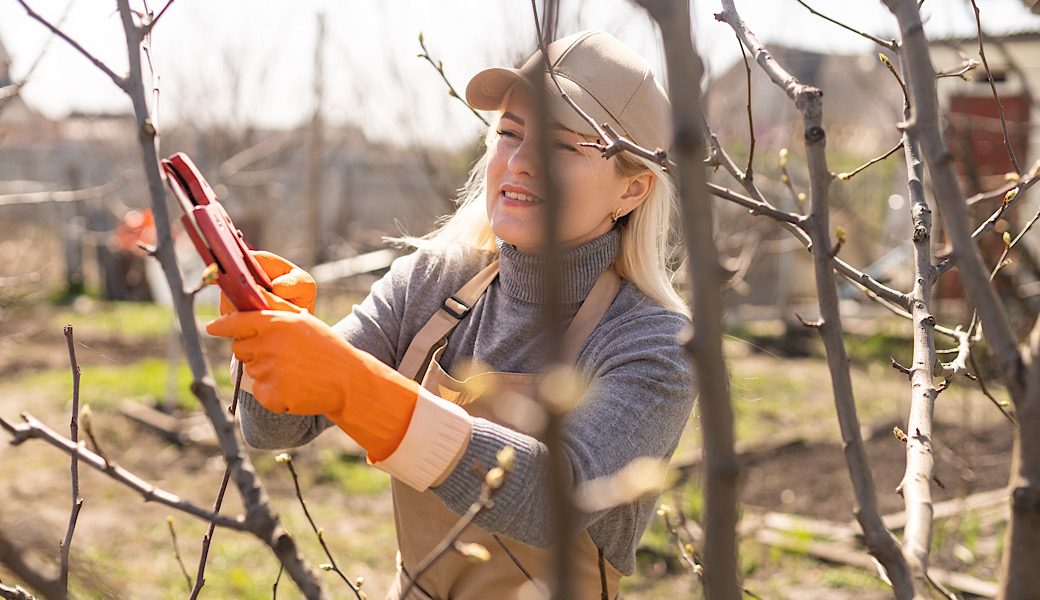
Pruning: Prune deciduous trees and shrubs in late winter while they are dormant to encourage healthy growth in the spring.
By following these maintenance practices, you can help protect your plants from winter stress and ensure they emerge vibrant and healthy when spring arrives.
Winter gardening in Castle Rock, CO, can be both beautiful and rewarding. By incorporating a mix of evergreens, ornamental grasses, winter bloomers, and plants with colorful bark, you can create a garden that remains vibrant and interesting even in the coldest months. With the guidance of Rocky Mountain Precision Services, you can enjoy a landscape that not only survives but thrives in winter, providing year-round beauty and interest for your home.