



Hardscaping is an essential element of landscape design that involves the use of non-living materials to create functional and aesthetic outdoor spaces. The right hardscaping materials can enhance the durability and beauty of your yard, adding value to your property and creating a lasting impression. This guide will help you select the best hardscaping materials for your needs, focusing on factors such as durability, maintenance, and aesthetics.
Understanding Hardscaping
Hardscaping refers to the permanent, non-plant elements of a landscape. This includes features like patios, walkways, retaining walls, driveways, and decorative structures. These elements provide structure and definition to outdoor spaces, offering practical benefits and enhancing the overall design.
Importance of Material Selection
Choosing the right hardscaping materials is crucial for ensuring the longevity and appeal of your landscape. The materials you select should be able to withstand the local climate, complement the overall design of your yard, and meet your maintenance preferences.
Common Hardscaping Materials
There are several popular materials used in hardscaping, each with its unique characteristics and benefits. Here’s a look at some of the most common options:
Natural Stone
Natural stone is a timeless and versatile choice for hardscaping. It is available in various types, including flagstone, slate, limestone, and granite, each offering distinct colors and textures. Natural stone is incredibly durable and can withstand heavy traffic and harsh weather conditions. It offers a natural, elegant look that can complement any landscape style. With a wide range of colors, shapes, and sizes, natural stone can be used for various applications, from walkways to retaining walls. However, natural stone can be expensive to purchase and install. It requires professional installation to ensure stability and proper fitting.
Concrete
Concrete is a versatile and cost-effective hardscaping material. It can be used for patios, driveways, walkways, and more. Concrete is generally less expensive than natural stone. It is strong and long-lasting, able to withstand heavy loads and harsh conditions. Concrete can be stamped, stained, or colored to mimic other materials like stone or brick. Plain concrete can look utilitarian and may not offer the same aesthetic appeal as natural stone or brick. Over time, concrete can crack and may require repairs or resurfacing.
Brick
Brick is a classic hardscaping material that offers a warm, traditional look. It is commonly used for patios, walkways, and driveways. Brick provides a timeless, rustic charm that can enhance the beauty of your landscape. It is strong and resistant to weathering. Brick is made from natural clay and can be recycled. However, brick can be more expensive than some other materials. Bricks can crack and shift over time, requiring periodic maintenance.

Pavers
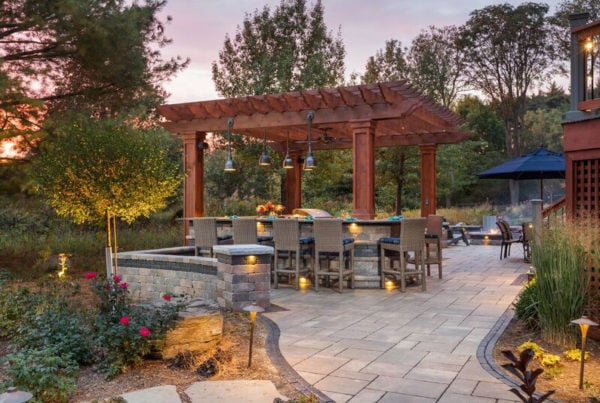
Pavers are individual tiles made from concrete, brick, or natural stone. They are used for patios, walkways, driveways, and other hardscape features. Pavers come in a variety of shapes, sizes, and colors, allowing for creative designs. High-quality pavers are durable and can withstand heavy traffic. If a paver becomes damaged, it can be easily replaced without disturbing the surrounding area. High-quality pavers can be expensive, and proper installation is crucial to prevent shifting and ensure longevity.
Gravel
Gravel is a budget-friendly option for driveways, walkways, and garden paths. It provides a natural, rustic look and is easy to install. Gravel is one of the most cost-effective hardscaping materials. It allows for excellent drainage, reducing the risk of water damage and erosion. Gravel is easy to install and can be used to quickly create paths and driveways. Gravel can shift over time and may need to be replenished periodically. It is not as stable as other materials and may not be suitable for areas with heavy traffic.
Wood
Wood can be used for various hardscaping elements, such as decks, pergolas, and garden beds. It offers a natural, warm aesthetic. Wood provides a warm, organic look that blends well with plants and other natural elements. It can be used for a variety of structures and features. When sourced responsibly, wood is a sustainable material. However, wood requires regular maintenance, such as staining and sealing, to prevent rot and insect damage. It is less durable than stone or concrete and may need to be replaced more frequently.
Factors to Consider When Choosing Hardscaping Materials
Selecting the right hardscaping materials involves considering several factors to ensure they meet your needs and preferences.
Climate
The local climate plays a significant role in determining the best materials for your hardscape. Consider factors such as temperature fluctuations, precipitation, and exposure to sunlight. For example, in areas with freeze-thaw cycles, choose materials that can withstand expansion and contraction without cracking.
Budget
Your budget will influence the materials you choose. While natural stone and high-quality pavers offer excellent durability and aesthetics, they can be expensive. Conversely, materials like concrete and gravel are more affordable but may require more maintenance over time.
Aesthetics
Consider the overall style and design of your landscape. Choose materials that complement your home’s architecture and the surrounding environment. For a cohesive look, mix and match materials thoughtfully to create visual interest without overwhelming the space.
Maintenance
Different materials require different levels of maintenance. Natural stone and pavers generally need less maintenance than wood or gravel. Consider how much time and effort you are willing to invest in upkeep when selecting your hardscaping materials.
Functionality
Think about how the space will be used. For high-traffic areas like driveways and walkways, choose durable materials that can withstand heavy use. For decorative elements like garden borders or water features, focus on aesthetics and ease of installation.
Enhancing Durability and Aesthetics
Sealing and Finishing
Sealing hardscaping materials can enhance their durability and appearance. Sealants protect against stains, moisture, and UV damage, extending the life of materials like concrete, pavers, and wood. Choose a sealant appropriate for the material and reapply as recommended.
Proper Installation
Proper installation is crucial for the longevity and stability of your hardscaping. Hire experienced professionals or follow best practices if you are doing it yourself. Ensure a solid base, proper drainage, and secure fitting to prevent shifting and damage.
Complementary Plantings
Incorporate plants and greenery to soften hardscape features and create a harmonious landscape. Use ground covers, ornamental grasses, and flowering plants to add color and texture. Consider planting trees or shrubs to provide shade and privacy.
Lighting
Outdoor lighting enhances the beauty and functionality of your hardscape. Use pathway lights, spotlights, and accent lights to highlight features and improve safety. Solar-powered and LED lights are energy-efficient options that can be easily installed.
Choosing the right hardscaping materials is essential for creating a durable and aesthetically pleasing landscape. By considering factors such as climate, budget, aesthetics, maintenance, and functionality, you can select the best materials for your needs. Whether you opt for the timeless elegance of natural stone, the versatility of pavers, or the affordability of gravel, thoughtful material selection and proper installation will ensure your hardscape stands the test of time and enhances the beauty of your outdoor space.