


Create a Resilient and Beautiful Yard with Water-Wise Plants
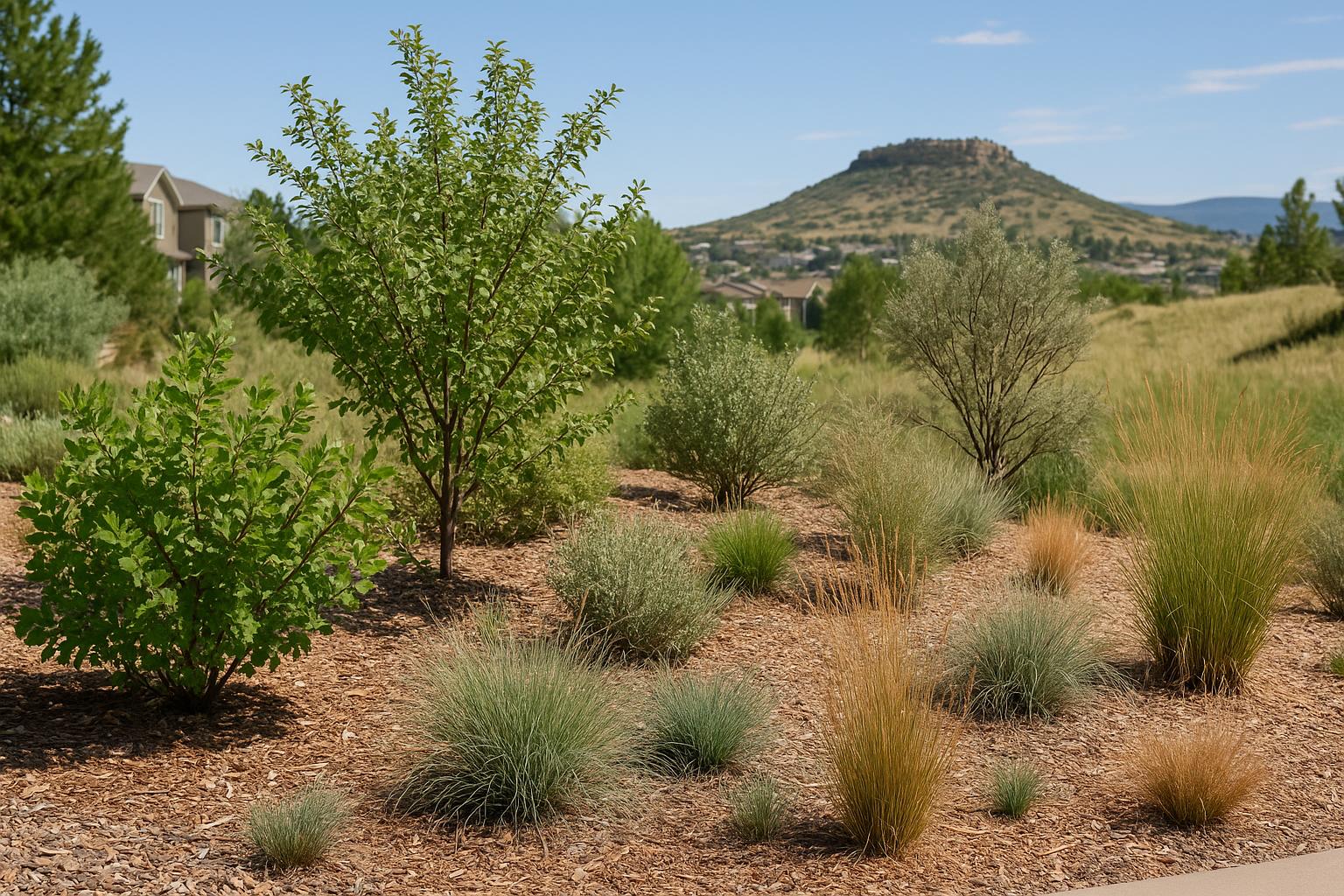
Living in Castle Rock, Colorado, means embracing the unique beauty and challenges of the high-altitude environment. With intense sun, dry winds, and variable temperatures, creating a lush landscape can seem daunting. The key to a thriving, low-maintenance garden isn’t more water; it’s smarter plant selection. By choosing native shrubs and grasses adapted to our local climate, you can cultivate a stunning, eco-friendly outdoor space that conserves water and flourishes at 6,000 feet.
This guide is designed for environmentally conscious homeowners who want to build a sustainable landscape that is both beautiful and resilient. We’ll explore the best native plants for USDA Hardiness Zones 5b and 6a, helping you design a yard that saves time, money, and our most precious resource: water.
Why Choose Native Plants for Your Colorado Garden?
Native plants are the foundation of a truly sustainable Colorado landscape. Having evolved here for centuries, they are uniquely suited to our specific environmental conditions. This natural adaptation provides a wealth of benefits for both you and the local ecosystem.
Drought Tolerance & Water Conservation
Once established, native plants require significantly less water than traditional turfgrass or non-native ornamentals. Their deep root systems are adept at finding moisture deep in the soil, making them resilient during dry spells and helping you reduce your water bill.
Low Maintenance
Because they are adapted to local soils, native plants generally don’t require fertilizers or soil amendments to thrive. They are also more resistant to local pests and diseases, reducing the need for chemical interventions and saving you time and effort on yard work.
Support Local Wildlife
Native shrubs and grasses provide essential food and shelter for local pollinators like bees and butterflies, as well as birds and other wildlife. By planting natives, you help restore critical habitats and support the biodiversity that makes Colorado unique.
Understanding USDA Hardiness Zones 5b & 6a
The USDA Plant Hardiness Zone map is a critical tool for gardeners. It divides the country into zones based on the average annual minimum winter temperature. Castle Rock and much of the Front Range fall into Zones 5b and 6a.
- Zone 5b: Average minimum winter temperatures range from -15°F to -10°F.
- Zone 6a: Average minimum winter temperatures range from -10°F to -5°F.
Choosing plants rated for these zones ensures they can survive our cold winters. However, factors like elevation, wind exposure, and sun intensity also play a significant role in plant health, especially in our high-altitude climate.
Top Native Shrubs for Colorado’s Front Range
Shrubs provide structure, color, and habitat in a landscape. Here are some hardy, drought-tolerant native options perfect for Castle Rock gardens:
Three-Leaf Sumac (Rhus trilobata)
Also known as Skunkbush, this versatile shrub is a powerhouse of year-round interest. It features small, yellow flowers in spring, glossy green foliage in summer, and a spectacular display of orange and red in the fall. It’s incredibly drought-tolerant once established and provides berries for birds.
- Sun: Full sun to part shade
- Water: Very Low
- Size: 5-8 ft. tall and wide
Serviceberry (Amelanchier alnifolia)
A beautiful multi-stemmed shrub or small tree, the Serviceberry offers delicate white flowers in early spring, followed by edible blue-black fruit that both humans and wildlife enjoy. Its leaves turn a brilliant shade of orange or red in autumn, making it a standout feature in any garden.
- Sun: Full sun to part shade
- Water: Low to Medium
- Size: 6-10 ft. tall
Mountain Mahogany (Cercocarpus montanus)
This tough, adaptable shrub is an unsung hero of the xeriscape garden. It has small, leathery leaves and is best known for its unique, feathery seed plumes that catch the sunlight beautifully in late summer and fall. It’s extremely drought-tolerant and provides excellent cover for birds.
- Sun: Full sun
- Water: Very Low
- Size: 6-10 ft. tall
Hardy Native Grasses for a Resilient Landscape
Ornamental grasses add texture, movement, and winter interest to a garden. They are excellent for controlling erosion and require minimal care.
Blue Grama Grass (Bouteloua gracilis)
As Colorado’s state grass, Blue Grama is perfectly adapted to our climate. It’s a warm-season grass known for its fine, blue-green texture and unique “eyelash” seed heads that float horizontally from the stems. It is highly drought-tolerant and can be used in meadows or as a low-water lawn alternative.
- Sun: Full sun
- Water: Very Low
- Size: 12-20 inches tall
Little Bluestem (Schizachyrium scoparium)
This bunchgrass is prized for its beautiful coloration. The foliage is blue-green during the growing season and transforms into a stunning copper-orange hue in the fall, providing color through the winter. Its fluffy white seed heads add to its winter appeal. It’s an excellent choice for adding vertical interest.
- Sun: Full sun
- Water: Low
- Size: 2-3 ft. tall
Switchgrass (Panicum virgatum)
A taller, stately grass, Switchgrass forms dense clumps with an upright habit. It has airy, delicate seed heads that appear in late summer. This grass is not only beautiful but also has a deep root system, making it great for soil stabilization. Its sturdy stems remain standing through winter snows.
- Sun: Full sun to part shade
- Water: Low to Medium
- Size: 3-5 ft. tall
Did You Know?
The term “Xeriscape” was coined in Colorado by the Denver Water Department in 1981. It combines the Greek word “xeros” (dry) with “scape” (view), promoting a landscaping style that conserves water through creative design and drought-tolerant plants.
Tips for Landscaping in the Castle Rock Climate
Success at 6,000 feet requires more than just picking the right plants. Here are a few tips to ensure your native garden thrives in Castle Rock’s unique environment:
- Amend Your Soil (Sparingly): Colorado soils are often heavy clay and alkaline. While native plants are adapted to this, adding a small amount of compost can help improve drainage and aeration for new plantings. Avoid over-fertilizing, which can harm natives.
- Water Deeply, Not Daily: New plants need regular water to establish their root systems. Water them deeply once or twice a week rather than giving them a light, daily sprinkle. This encourages roots to grow downward, making the plant more resilient in the long run. An efficient drip irrigation system can be a huge asset.
- Use Mulch: A 2-3 inch layer of wood mulch helps retain soil moisture, suppress weeds, and regulate soil temperature. Keep mulch away from the base of the plant stems to prevent rot.
- Plant at the Right Time: The best times to plant in Colorado are typically spring (after the last frost, usually mid-May) and early fall. Fall planting gives roots time to establish before winter, while spring planting allows plants to settle in before the summer heat.
Ready to Transform Your Landscape?
Creating a beautiful, sustainable, and water-wise landscape is an investment in your home and our Colorado environment. Let the experts at Rocky Mountain Precision Services help you design and install the perfect native garden for your Castle Rock property.
Frequently Asked Questions (FAQ)
What is xeriscaping?
Xeriscaping is a method of landscaping designed to minimize or eliminate the need for supplemental irrigation. It involves using drought-tolerant plants (especially natives), efficient watering methods, soil improvements, and mulch to create a beautiful and water-wise garden.
When is the best time to plant native shrubs and grasses in Colorado?
The ideal planting times are spring (typically after Mother’s Day to avoid the last frost) and early fall (late August to September). Fall planting allows plants to establish roots during cooler weather, while spring planting gives them a full season to grow before winter.
How long do native plants take to get established?
Most native perennials and grasses focus on root growth in their first year, so top growth might seem slow. With proper watering, they are typically well-established by their second or third season, after which their water needs decrease significantly.
Do native plants attract bees and butterflies?
Absolutely. Native plants and pollinators have co-evolved, making them a perfect match. Plants like Serviceberry and Three-Leaf Sumac provide crucial resources for local bees, butterflies, and other beneficial insects, helping to create a healthy and vibrant ecosystem in your yard.
Glossary of Terms
- Native Plant
- A plant that has evolved over thousands of years in a particular region and is adapted to the local climate, soil, and environmental conditions without human intervention.
- USDA Hardiness Zone
- A geographic area defined by its average annual extreme minimum temperature, used by gardeners to determine which plants are most likely to thrive at a location.
- Xeriscaping
- A landscaping philosophy that utilizes water-conserving techniques, such as using drought-tolerant plants, mulch, and efficient irrigation, to reduce or eliminate the need for supplemental water.
- Amendments
- Materials added to soil to improve its physical or chemical properties, such as fertility, drainage, or water retention. Compost is a common amendment.