



Create a Beautiful, Water-Wise Landscape That Thrives in Castle Rock’s Climate
Living in Douglas County, we’re blessed with stunning Rocky Mountain views and abundant sunshine. However, our semi-arid climate and high altitude present unique challenges for creating a lush, vibrant landscape. Constant watering, especially during dry spells, can be costly and unsustainable. Fortunately, there’s a brilliant solution that embraces our environment: xeriscaping. This innovative approach to landscaping helps you design a gorgeous, resilient yard that conserves water, reduces maintenance, and perfectly complements our beautiful Castle Rock surroundings. By following sustainable landscaping practices for winter, you can ensure your water-wise garden stays healthy year-round.
What is Xeriscaping, Really?
The term “xeriscape,” coined in Colorado, combines the Greek word “xeros” (dry) with “landscape.” It’s a common misconception that xeriscaping means a yard full of rocks and cacti. The reality is far more colorful and creative. Xeriscaping is a smart, seven-principle approach to landscaping that focuses on water conservation through thoughtful design and plant selection. For homeowners in Castle Rock, this means creating a stunning outdoor space that leverages drought-tolerant plants, efficient irrigation, and intelligent design to flourish with minimal water. The benefits are clear: you’ll save money on water bills, spend less time on yard work, and create a sustainable habitat that supports local pollinators.
Getting Started: A Step-by-Step Guide to Xeriscape Design
Transforming your yard into a water-wise oasis is an exciting project. Following a structured approach ensures a beautiful and functional result that stands the test of time.
Step 1: Plan and Design with Purpose
A great landscape starts with a great plan. Before you buy a single plant, map out your yard. Observe how the sun moves across your property throughout the day, identifying full-sun, part-shade, and shady areas. Consider slopes, drainage patterns, and how you want to use the space—for relaxing, entertaining, or playing. Group plants with similar water and light needs together in “hydrozones.” This allows you to water efficiently, giving thirsty plants what they need without overwatering others.
Step 2: Improve Your Soil
Colorado’s soil, especially in the Front Range, often has a high clay or sand content. Amending your soil is one of the most critical steps for xeriscaping success. Incorporating compost and organic matter helps clay soil drain better and allows sandy soil to retain more moisture. This creates a healthier environment for plant roots to grow deep and strong, making them more resilient during dry periods.
Step 3: Choose the Right Plants for Castle Rock’s Climate
This is the most creative part! The key is to select plants adapted to our high-altitude, low-water environment. Native plants are an excellent choice because they are naturally suited to our soil and climate, requiring less maintenance and supporting local wildlife. Look for a mix of perennials, ornamental grasses, shrubs, and trees to provide year-round color and texture.
Drought-Tolerant Perennials:
- Rocky Mountain Penstemon: Vibrant blue-purple flowers that attract pollinators.
- Blanket Flower (Gaillardia): Long-blooming with cheerful red and yellow flowers.
- Russian Sage: Offers airy, lavender-blue spires and silvery foliage.
- Yarrow (Achillea): Hardy, comes in various colors, and thrives in full sun.
Ornamental Grasses & Groundcovers:
- Blue Grama Grass: A beautiful native grass with unique, eyelash-like seed heads.
- Little Bluestem: Known for its blue-green summer color that turns a striking copper-red in the fall.
- Creeping Thyme: A tough, fragrant groundcover perfect for pathways.
- Sedum (Stonecrop): Succulent groundcover ideal for hot, dry areas.
Step 4: Use Mulch and Hardscapes Wisely
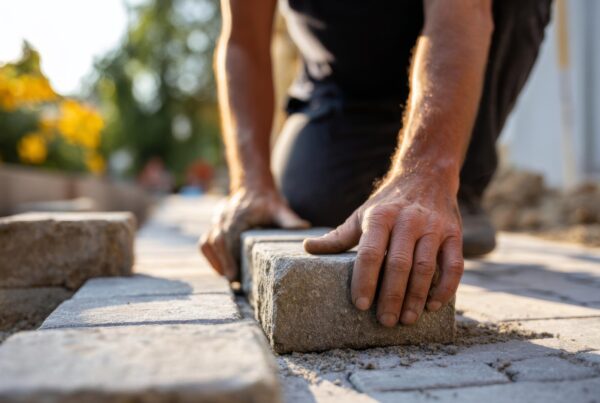
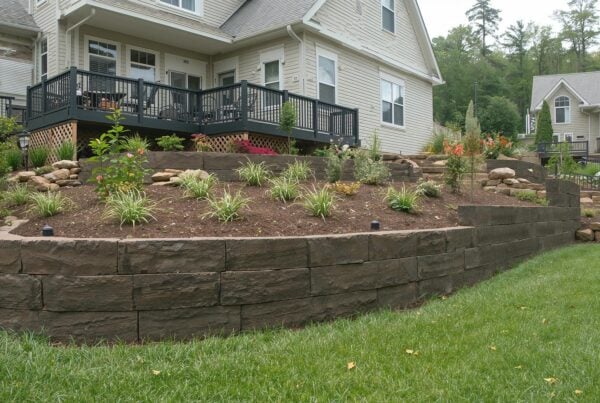
Mulch is a xeriscaper’s best friend. Applying a two- to four-inch layer of organic mulch like wood chips or bark helps soil retain moisture, suppresses weeds, and keeps plant roots cool. Inorganic mulches like gravel or decorative rock can also be effective, especially for very xeric plants. Hardscaping elements like stone pathways, patios, and retaining walls can reduce the amount of lawn area that needs watering while adding structure and beauty to your design.
Step 5: Irrigate Efficiently
Even drought-tolerant plants need some water to get established. The goal is to water deeply and infrequently to encourage deep root growth. A drip irrigation system is one of the most efficient methods, delivering water directly to the plant’s roots and minimizing evaporation. Smart irrigation controllers that adjust based on weather conditions can further optimize water use. Remember to water in the early morning to reduce loss to evaporation.
Did You Know?
A well-designed xeriscape can reduce your outdoor water consumption by up to 60% or more compared to a traditional grass lawn. This not only helps conserve one of Colorado’s most precious resources but also leads to significant savings on your monthly water bills.
Xeriscaping for Castle Rock’s High Altitude
Landscaping at over 6,000 feet in Castle Rock means dealing with intense sun, strong winds, and dramatic temperature shifts. Xeriscape principles are perfectly suited for these conditions.
- Intense Sun: Choose plants with waxy or silver-gray leaves, as they are better adapted to reflect harsh sunlight. Mulching is also crucial to protect soil and roots from overheating.
- Windy Conditions: Use hardy, low-growing plants and ornamental grasses that can flex in the wind. Strategically placed shrubs or hardscape features can act as windbreaks for more delicate plants.
- Limited Water: Our semi-arid climate makes water conservation a top priority. Selecting native and drought-tolerant species is the cornerstone of a successful high-altitude garden that won’t strain our water supply.
By embracing plants that have evolved to thrive in these conditions, you create a landscape that is both beautiful and self-sufficient.
Ready to Create Your Dream Yard?
Designing a beautiful, water-wise landscape is a rewarding investment in your home and our community. If you’re ready to transform your outdoor space into a stunning xeriscape that thrives in Douglas County, our experts at Rocky Mountain Precision Services are here to help.
Frequently Asked Questions
Is xeriscaping expensive to install?
The initial investment for xeriscaping can vary depending on the complexity of the design, the types of plants, and the extent of hardscaping. However, the long-term savings on water bills and reduced maintenance costs often make it a more economical choice over time compared to a traditional lawn.
Does xeriscaping require any maintenance?
Yes, but typically much less than a conventional lawn. While you’ll save time on mowing and frequent watering, a xeriscape garden still needs occasional weeding, pruning, and mulch replenishment to stay healthy and look its best.
Can I still have a lawn with xeriscaping?
Absolutely! The goal of xeriscaping is not necessarily to eliminate lawns but to limit turf to practical areas where it provides functional benefits, like a play area for kids. You can choose drought-tolerant turf varieties like Buffalograss or Blue Grama grass, which require significantly less water than traditional Kentucky bluegrass.
How long does it take for xeriscape plants to get established?
Most drought-tolerant plants require regular watering for their first growing season to establish a deep root system. By the second or third year, many will be able to thrive with very little supplemental water, relying primarily on natural precipitation.