


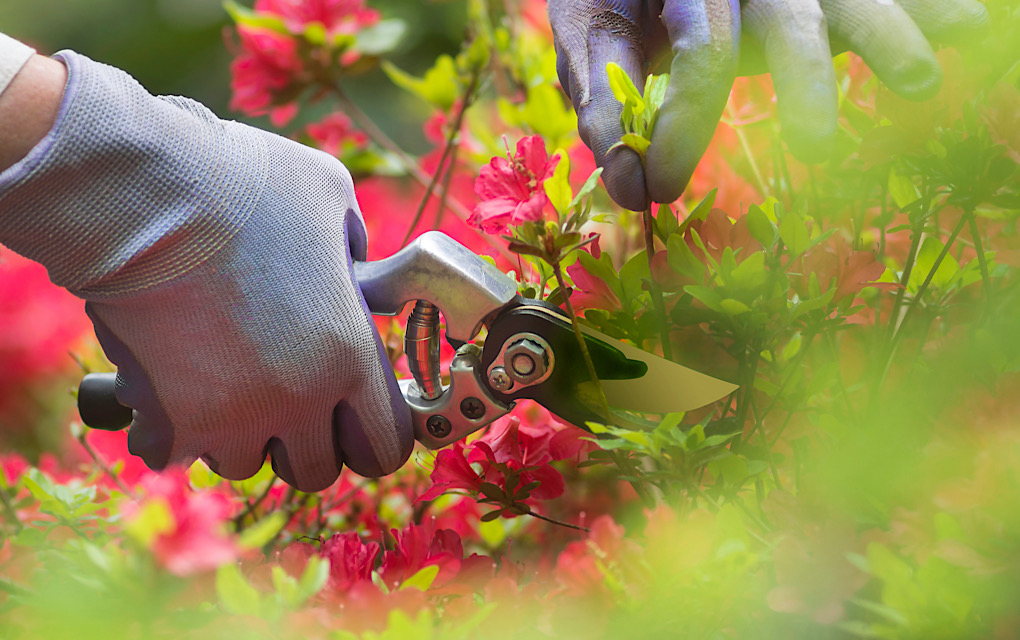

As the vibrant colors of summer give way to the crisp, cool days of autumn, it’s the perfect time to prepare your landscape for the fall season. Proper seasonal care ensures that your yard remains healthy and beautiful through the winter and emerges strong in the spring. This article provides essential tips for fall landscaping, focusing on seasonal yard care and autumn garden preparation.
Preparing Your Lawn
Taking care of your lawn in the fall is crucial for maintaining its health through the winter and ensuring a lush, green return in the spring.
Aeration
Aeration involves perforating the soil with small holes to allow air, water, and nutrients to penetrate the grass roots. This process helps alleviate soil compaction, encouraging healthier root growth. The best time to aerate your lawn is in early fall when the temperatures are cooler, and the soil is moist. You can rent an aerator or hire a professional service to perform this task.
Overseeding
Overseeding involves spreading grass seed over your existing lawn to fill in thin or bare spots. Early fall is ideal for overseeding because the cooler temperatures and increased moisture provide optimal conditions for seed germination. Choose a grass variety that is suitable for your climate and soil type. After overseeding, keep the lawn moist to ensure the seeds germinate and establish roots before winter.
Fertilizing
Fall fertilization is critical for strengthening your lawn’s roots and improving its resilience to winter stress. Apply a slow-release fertilizer high in potassium and phosphorus to support root development and disease resistance. According to the University of Maryland Extension, fall fertilization can help lawns green up faster in the spring and withstand summer drought conditions better.
Leaf Management
Fallen leaves can smother your lawn if left unchecked, leading to disease and dead spots. Regularly rake or use a leaf blower to remove leaves from your lawn. Alternatively, you can mulch the leaves with a lawnmower, which helps return valuable nutrients to the soil.
Caring for Trees and Shrubs
Proper care of trees and shrubs in the fall promotes healthy growth and prepares them for the winter months.
Pruning
Fall is an excellent time to prune dead or diseased branches from trees and shrubs. Pruning helps improve air circulation, reduces the risk of pest infestations, and encourages healthy growth. Avoid heavy pruning, as this can stimulate new growth that may not harden before the first frost. Instead, focus on removing damaged or weak branches and shaping the plant for better structure.
Mulching
Applying a layer of mulch around the base of trees and shrubs helps insulate the roots, retain moisture, and reduce soil temperature fluctuations. Organic mulches such as wood chips, straw, or compost are ideal. Spread a 2-3 inch layer of mulch, making sure to keep it away from the trunk or stems to prevent rot and pest issues.
Watering
While trees and shrubs require less water in the fall, it’s important to ensure they are adequately hydrated before winter. Deep watering helps establish strong root systems and prepares plants for the colder months. Focus on watering deeply and less frequently to encourage roots to grow deeper into the soil.
Preparing Garden Beds
Fall is the perfect time to prepare your garden beds for the coming winter and next spring’s planting season.
Soil Amendment
Amending your soil in the fall improves its structure and fertility. Add organic matter such as compost, manure, or leaf mold to your garden beds to enhance soil texture and nutrient content. Tilling the amendments into the soil helps break up compacted areas and promotes better drainage and root growth.
Planting Perennials and Bulbs
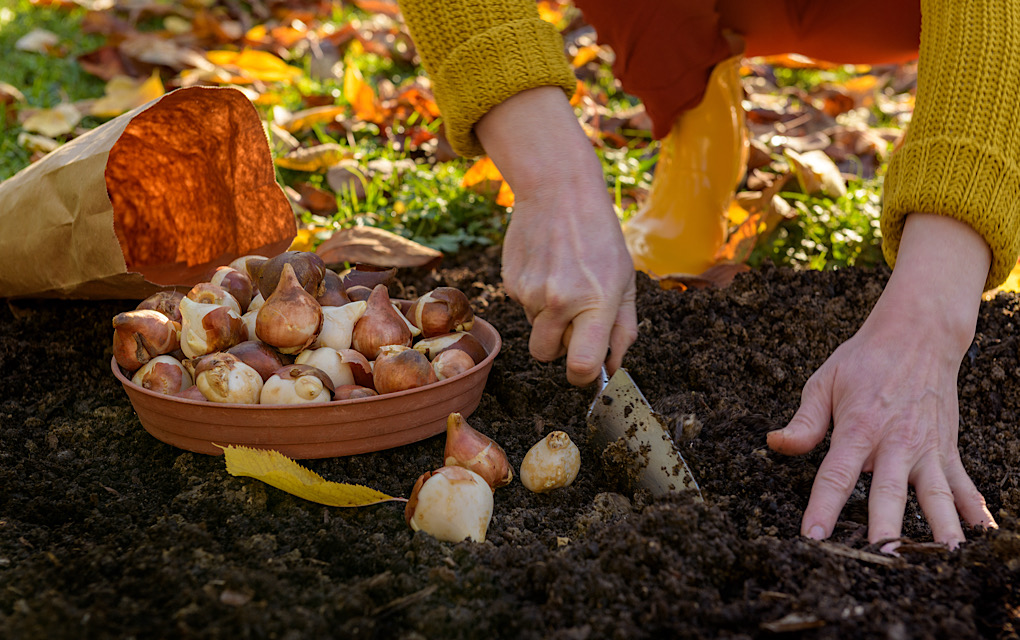
Fall is an ideal time to plant perennials and spring-blooming bulbs. Cooler temperatures and moist soil conditions help plants establish strong root systems before winter. Popular fall-planted bulbs include tulips, daffodils, and crocuses. For perennials, choose varieties that are hardy in your climate zone and provide seasonal interest.
Mulching Beds
Apply a layer of mulch to your garden beds to protect the soil from erosion, suppress weeds, and retain moisture. Mulching also insulates plant roots, helping them survive harsh winter conditions. Organic mulches such as shredded leaves, straw, or bark chips are effective and decompose over time, adding nutrients to the soil.
Managing Fall Annuals and Vegetables
Fall is a great time to plant cool-season annuals and vegetables, as well as to tidy up summer garden beds.
Planting Cool-Season Annuals
Cool-season annuals such as pansies, violas, and mums thrive in the cooler fall temperatures and add vibrant color to your garden. Plant these annuals in garden beds, containers, or window boxes to brighten up your landscape. Ensure they are planted in well-drained soil and receive adequate sunlight.
Harvesting and Cleaning Vegetable Gardens
As the growing season winds down, it’s time to harvest the last of your summer vegetables and clean up the garden beds. Remove any dead or diseased plants, and compost healthy plant material to reduce the risk of pests and diseases. Consider planting fall crops such as kale, spinach, and broccoli, which can withstand cooler temperatures and provide fresh produce into late fall.
Cover Crops
Planting cover crops such as clover, rye, or vetch in vegetable gardens can improve soil health and prevent erosion. Cover crops add organic matter to the soil, fix nitrogen, and reduce weed growth. They can be tilled into the soil in the spring to enrich the soil and prepare it for planting.
Enhancing Hardscape and Outdoor Features
Fall is also an excellent time to enhance your yard’s hardscape and prepare outdoor features for winter.
Inspecting and Cleaning Hardscapes
Inspect patios, walkways, and driveways for cracks or damage and make necessary repairs before winter. Clean hardscape surfaces to remove dirt, debris, and stains. Pressure washing can help remove built-up grime and keep surfaces looking fresh.
Winterizing Water Features
Prepare water features such as fountains, ponds, and waterfalls for winter by draining and cleaning them. Remove any debris, and store pumps and filters indoors to prevent damage from freezing temperatures. For ponds with fish, consider installing a pond heater or aerator to keep a portion of the water surface ice-free.
Protecting Outdoor Furniture
Clean and store outdoor furniture to protect it from harsh winter weather. Cover furniture with waterproof covers or store it in a shed or garage. If you leave furniture outside, ensure it is made of weather-resistant materials and is securely covered.
By following these seasonal landscaping tips for fall, you can prepare your yard for the colder months and ensure it remains healthy and beautiful. Proper lawn care, tree and shrub maintenance, garden bed preparation, and attention to hardscape and outdoor features will help your landscape thrive year-round.